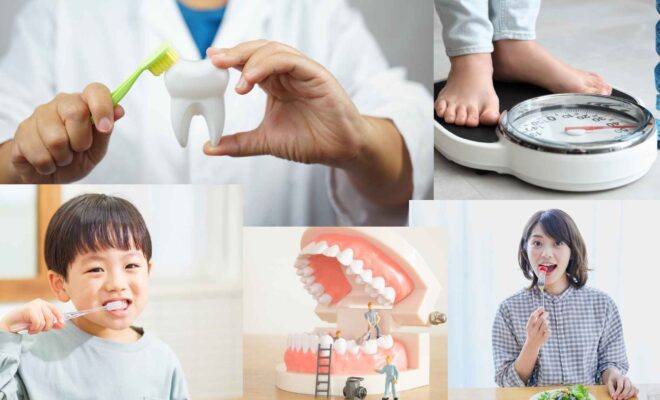
The Right Way to Brush and Floss Your Teeth

“This guide explains how to master dental care by shifting from aggressive scrubbing to precise, angled brushing and C shape flossing. It covers essential oral hygiene routine tips, tool selection and timing strategies to eliminate plaque and protect systemic health.“
Most of us have been brushing our teeth since we were toddlers, yet it is a bit of a dental secret that a staggering number of adults still struggle with preventable decay. The disconnect usually isn’t a lack of effort; it is the difference between just going through the motions and actually disrupting the biological film that coats our teeth.
Good dental hygiene goes beyond scrubbing. Aggressive brushing is often worse than none. To master dental care, you must picture your teeth as a complex, living ecosystem rather than flat surfaces like a kitchen counter. When you master the technique, your daily habit protects your entire body.
The Tools of the Trade: Setting Up for Success
Before you even turn on the faucet, the tools you choose will dictate your results. Many people mistakenly reach for firm or medium bristles, thinking that more friction means a deeper clean. That is a myth that leads to irreversible gum recession and worn enamel. You should always opt for soft bristles. These are flexible enough to reach into the small crevices and under the gum line without sawing away at your protective tooth structure.
The debate between manual and electric toothbrushes usually comes down to human error. While you can achieve a great clean with a manual brush, electric models specifically those with oscillating rotating heads do the heavy lifting for you. They perform thousands more strokes per minute than a human hand ever could and most include pressure sensors to alert you if you are being too rough.
Your toothpaste choice matters too. Fluoride is still heavyweight champion for strengthening enamel, but if you looking for latest in dental care habits, keep eye out for hydroxyapatite. This is a mineral that actually helps plug microscopic holes in your teeth. Whatever you use, make sure it isn’t too abrasive; the goal is to polish the surface, not sand it down.
The Perfect Brush: A Step by Step Masterclass
The most common mistake people make is the horizontal saw motion scrubbing back and forth with force. This actually pushes debris further into the gaps and can traumatize the gums. Instead, try the Bass Method. Hold your brush at a 45 degree angle toward the gum line. This allows the bristles to slip just slightly under the collar of gum, which exactly where the most harmful plaque likes to hide.
Once you have the angle, use tiny, vibrating circles. This shakes the plaque loose from the tooth surface rather than just sliding it around. After a few seconds of this, sweep the brush away from the gums toward the biting edge of the tooth. It is a much gentler, more sophisticated way to clear the biofilm.
To make sure you do not miss anything, mentally divide your mouth into four sections. Spend 30 seconds on each quadrant. Most people spend way too much time on the front smiling teeth and ignore the lingual side (the side facing the tongue). Since these inner surfaces are constantly bathed in saliva minerals, they are prime real estate for tartar buildup. Give them equal attention.
Flossing: The Step Most People Skip
If you only brush, you are essentially leaving 40% of your tooth surfaces untouched. Plaque thrives in the tight spots where your teeth touch and no brush on earth can reach into those microscopic gaps. This is why flossing tips are usually the most important part of any professional dental checkup.
The C Shape method makes flossing effective. Snapping floss in and out might file gums and injure them. Once between your teeth, make a ‘C’ with floss around one tooth. Carefully slide it up and down, even under the gum line. Repeat on the neighboring tooth by flipping the curve.
If string flossing seems hard, try water flossing. It flushes trash with a pressured stream and saves braces, bridges, and permanent retainers. Interdental brushes, tiny pipe cleaners, scrape the concave edges of tooth roots where floss can miss, making them ideal for persons with larger gaps.
Timing and Sequencing: The Pro Habits
Interestingly, oral hygiene order matters. Most people brush first, but flossing first is smarter. You remove the gaps between your teeth by flossing first. This lets toothpaste fluoride permeate those gaps while you brush without food particles blocking it.
You must also check the time after eating. It is tempting brush right after meal, but acidic foods like coffee, fruit and alcohol soften enamel. Right then, brushing can remove microscopic tooth layers. Before brushing, let your saliva neutralize the acid for 30 60 minutes.
Before bed is most important session of day. While sleeping, saliva flow, a natural cleaner, slows. Going to bed with plaque on teeth lets bacteria dwell on your enamel and create acid for hours. Avoid sleeping with fuzzy teeth.
Beyond the Basics: Advanced Maintenance
While brushing and flossing are the foundation, a few extras can provide the finishing touches. Therapeutic mouthwash great, but try not to use immediately after brushing. If you do, you are washing away the concentrated fluoride your toothpaste just left behind. Use it after lunch instead to give your teeth a mid day boost of protection.
Dentistry is also silently influenced by nutrition. Apples, carrots and celery are natural detergents that mechanically remove plaque. Staying hydrated boosts saliva, your mouth’s strongest protection against decay.
Conclusion
At end of day, mastering your dental care is not about being perfect for one day; it is about being consistent for lifetime. Poor oral health has been linked to everything from heart disease to diabetes because oral inflammation can eventually impact your systemic health. It’s a stark reminder that oral health is a key indicator of your overall wellbeing, proving that consistency beats intensity every single time.
By taking just four or five minutes a day to use a proper brushing technique and a little bit of floss, you are doing a massive favor for your future self. It is a simple investment that saves you a fortune in dental bills and keeps you healthy from the inside out. Consistency beats intensity every single time.