Why Porcelain Is One of the Most Durable Flooring Materials
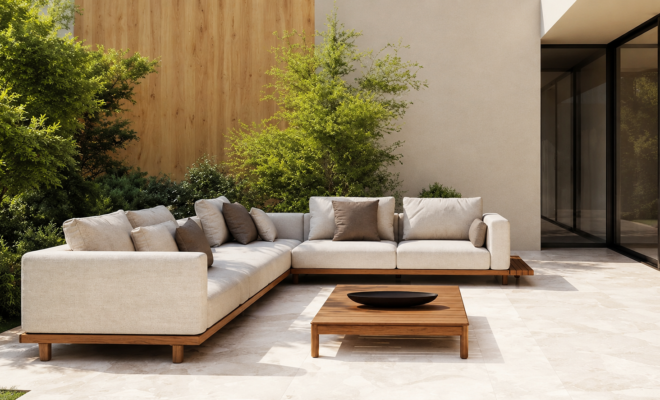
“This article explains how the extreme manufacturing process of porcelain creates an exceptionally dense, scratch resistant and low porosity material. It highlights why porcelain outlasts other flooring options, handles heavy moisture and represents a permanent investment for high traffic indoor and outdoor spaces.”
Finding the perfect flooring for a house may frequently seem like a question of striking a balance between aesthetics and functionality. Homeowners would like to find the finest looking options, however they also want materials that will last through the daily routine with its numerous footprints, bringing dirt inside from dirty shoes and claws, spilling wine when entertaining guests and losing food when cooking in a hurry. The choice of flooring is huge, yet porcelain is arguably the best choice among them. That is why it is not surprising that designers and smart homeowners prefer to visit the best tile showrooms in Los Angeles looking for suitable materials for luxurious residential and commercial properties. So what makes porcelain durable? To know the answer it is essential to consider the process of its manufacturing.
The Science of Hardness: Ceramic vs. Porcelain
Understanding how porcelain varies from ceramic tile helps appreciate it. Despite being kin, they are not equal. A precise mixture of fine clay, feldspar and quartz makes porcelain.
The real magic happens during the manufacturing process. Porcelain is subjected to extreme pressure and fired in kilns at temperatures ranging from 2,200°F to 2,500°F. This is significantly hotter than the firing process for standard ceramic. This intense heat causes the raw materials to vitrify essentially turning the clay mixture into a dense, glass like substance.
To quantify this toughness, the industry uses the Porcelain Enamel Institute (PEI) rating system, which measures a tile’s resistance to abrasion:
- PEI 1 to 3: Best suited for light residential areas or wall applications
- PEI 4: Highly durable; excellent for all residential spaces and light commercial use
- PEI 5: Heavy commercial grade; built to withstand the heaviest foot traffic imaginable
Most high quality porcelain flooring falls into the PEI 4 or 5 category, making it virtually immune to the scratches, scuffs and impact dents that ruin hardwood or laminate floors.
Impenetrable Density: The Battle Against Moisture & Stains
The extreme heat of the kiln does more than just harden the tile; it completely eliminates the microscopic air pockets found in weaker materials. This results is incredibly dense product with almost zero porosity.
According to the Porcelain Tile Certification Agency a true porcelain tile has water absorption rate of less than 0.5%. Porcelain absorbs little moisture and has various advantages:
- The Stain Barrier: Liquids do not pass through the surface of porcelain tile. It does not matter if it is coffee, red wine, or olive oil; the liquid will remain on the porcelain tile surface until it is wiped off. Thus, getting stained permanently is uncommon
- The Frost Proof Advantage: When we consider outdoor usage, the worst enemy for any type of flooring is moisture absorption. The water inside tiles will freeze and will lead to expansion resulting in cracking of stone or standard ceramic. Thanks to the low absorption ability, porcelain is frost resistant
Through Body vs. Glazed: Long Term Visual Integrity
When evaluating porcelain flooring, you generally encounter two distinct types: through body and glazed. Both offer exceptional structural durability, but they handle wear and differently.
Through Body Porcelain
In through body porcelain, the color and pattern are consistent throughout the entire thickness of the tile. If a heavy cast iron skillet is dropped from a counter and somehow manages to chip the floor, the chip virtually invisible because the material underneath looks exactly the same as the surface. This type is favored for high traffic commercial spaces or bustling, active households.
Glazed Porcelain
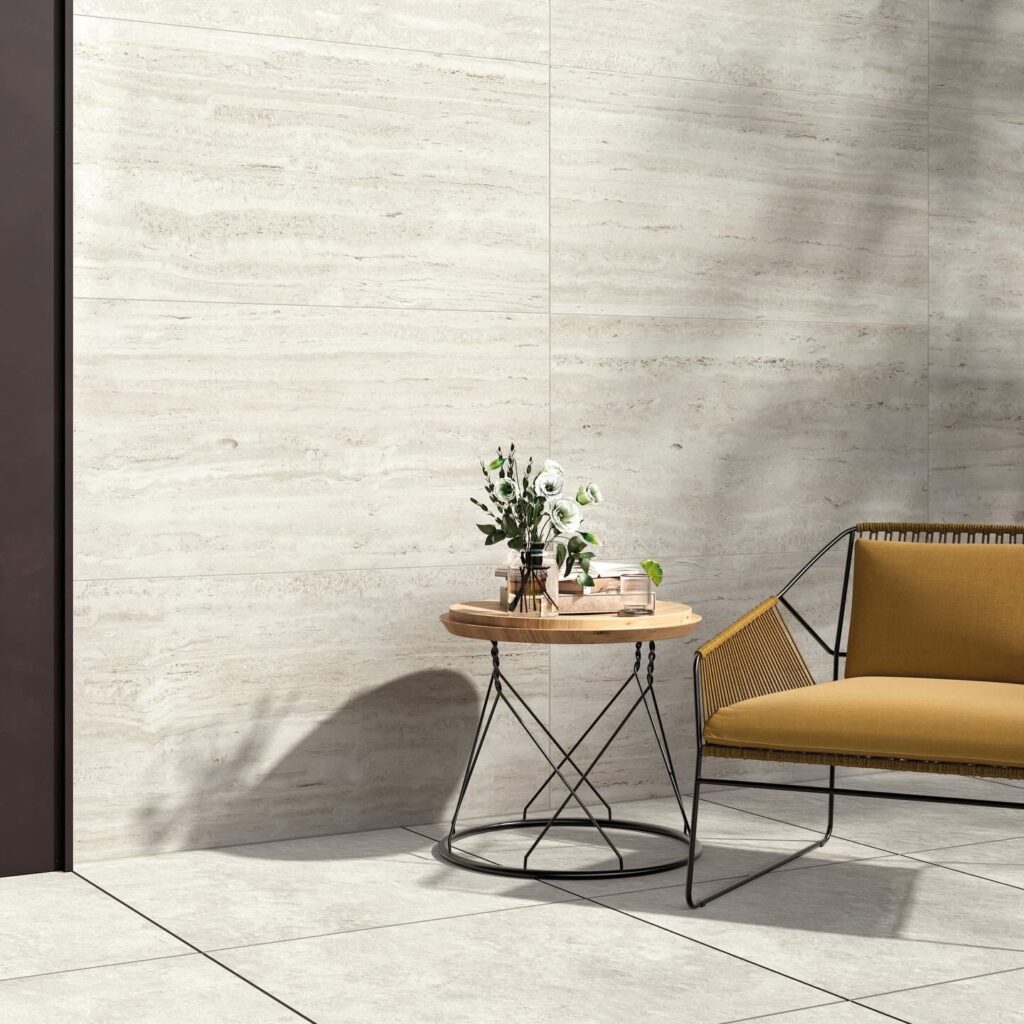
Glazed porcelain is a type of material which has a glassy protective layer baked into its surface. Thanks to modern high definition digital printing technology, it is now possible for manufacturers to print almost any kind of texture and pattern onto it. This means porcelain now has the ability to look like Italian marble, rustic wood floors or industrial concrete. The durable glazed surface seals in the design so it can not fade in sunlight or wear away over time.
Low Maintenance Meets High Longevity
The strong structure of porcelain helps in the maintenance of this material. Unlike natural stone, which needs to be sealed, cleaned, and stripped, porcelain does not need any sealing once it is installed.
Porcelain can resist the action of strong cleaning products and chemicals
This particularly provides the ease of cleaning porcelain just give it a good sweep and wipe with warm water.
Conclusion
When investing in porcelain, specifications look excellent on paper, but experiencing the material in person is a crucial step. Seeing the tiles firsthand allows you to evaluate the Dynamic Coefficient of Friction which measures slip resistance and feel the subtle textures of the glazes. It also allows you to see difference between pressed edges and rectified edges, the latter of which allows for incredibly thin, seamless grout lines.
Porcelain flooring might be costlier than luxury vinyl or carpeting in both materials used and installation, but this type of flooring is regarded as a long lasting investment. There’s no need to replace the flooring every few years. A premium quality porcelain flooring installed correctly over a properly prepared base will last forever.