More Than a Smile: Why Your Dentist Actually Cares And Why You Should Too
“This article reframes dental care as a vital systemic health audit rather than a cosmetic chore. It explores how regular dental visits prevent chronic inflammation, protect heart health and catch life threatening issues early, ensuring your long term wellness and functional vitality.”
It Is Not Just About the Cavities
We’ve all been there: sitting in the waiting room, flipping through a three year old magazine and wondering if we really need to be there since nothing actually hurts. Most people view dental care as a reactive habit you go when a tooth aches or when you break a filling. However, shifting that mindset from repair to prevention is one of the most significant favors you can do for your body.
Your mouth isn’t a separate entity from the rest of you. It’s an integrated system that acts as a primary indicator for your overall wellness. When you skip dental checkups, you aren’t just missing a cleaning; you’re missing a comprehensive health screen that can catch issues long before they require a surgeon’s intervention.
Inside the Chair: A Modern Reality Check
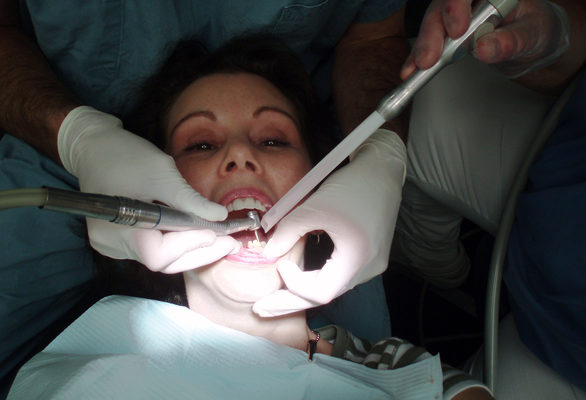
The scrape and polish of the past has evolved. When you settle into the chair today, a dentist is looking for much more than just a bit of decay. They are checking the alignment of your jaw to see why you might be getting those morning headaches and examining the soft tissues of your throat and tongue for abnormalities.
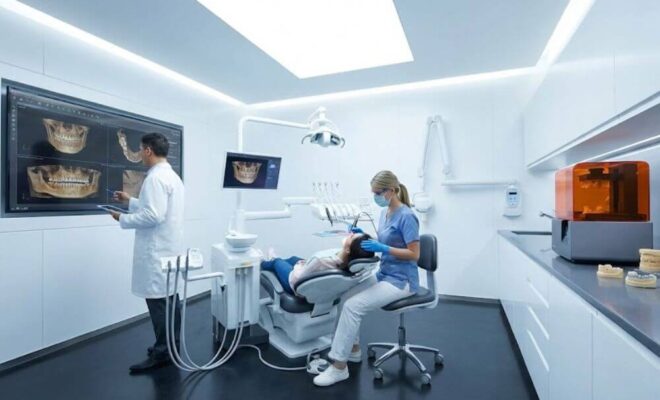
Modern regular dental visits are high tech affairs. Digital imaging has replaced those uncomfortable bitewing films that used to poke your gums and intraoral cameras now allow you to see exactly what’s happening in the dark corners of your mouth. It’s no longer a mystery; it’s a data driven look at your health. This transparency helps you understand that when a dentist suggests a treatment, it’s based on high definition reality rather than a hunch. In fact, staying informed on top emerging trends in dentistry can help you better understand the cutting-edge tools like AI diagnostics and 3D printing that are becoming standard in modern offices.
Why You Can’t Just Brush it Away at Home
There is a common myth that a dedicated dental care routine at home makes professional cleanings optional. While brushing and flossing are non negotiable, they have a physical limit. Plaque is a soft film that’s easy to brush off, but if it stays on your teeth for even a day or two, it mineralizes into tartar calculus.
Tartar is essentially a rock hard deposit fused to your enamel. No amount of scrubbing or using a high end electric toothbrush will budge it. Only a hygienist with specialized tools can safely remove it. If you leave it there, it acts like a splinter in your gums, causing constant inflammation. From a purely financial standpoint, paying for a cleaning twice a year is a bargain compared to the thousands you’ll spend on a bridge or an implant because of bone loss.
The Mouth Body Connection is Real
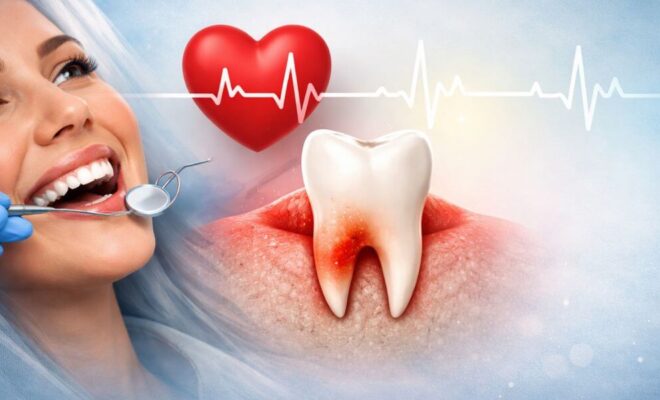
The most compelling reason to stay on top of your oral health is the Oral Systemic Link. We now know that the bacteria causing gum disease don’t just stay in your mouth. They can travel through the bloodstream, bacteria associated with gum disease have been linked to increased cardiovascular risk
The connection to diabetes is particularly striking. It’s a two way street: gum disease makes it harder to regulate blood sugar and high blood sugar makes you more prone to oral infections. Furthermore, your dentist is often the first person to spot signs of oral cancer. Since these lesions are usually painless at the start, that routine two minute check during your appointment is a life saving measure.
Re Thinking Dentist Dread
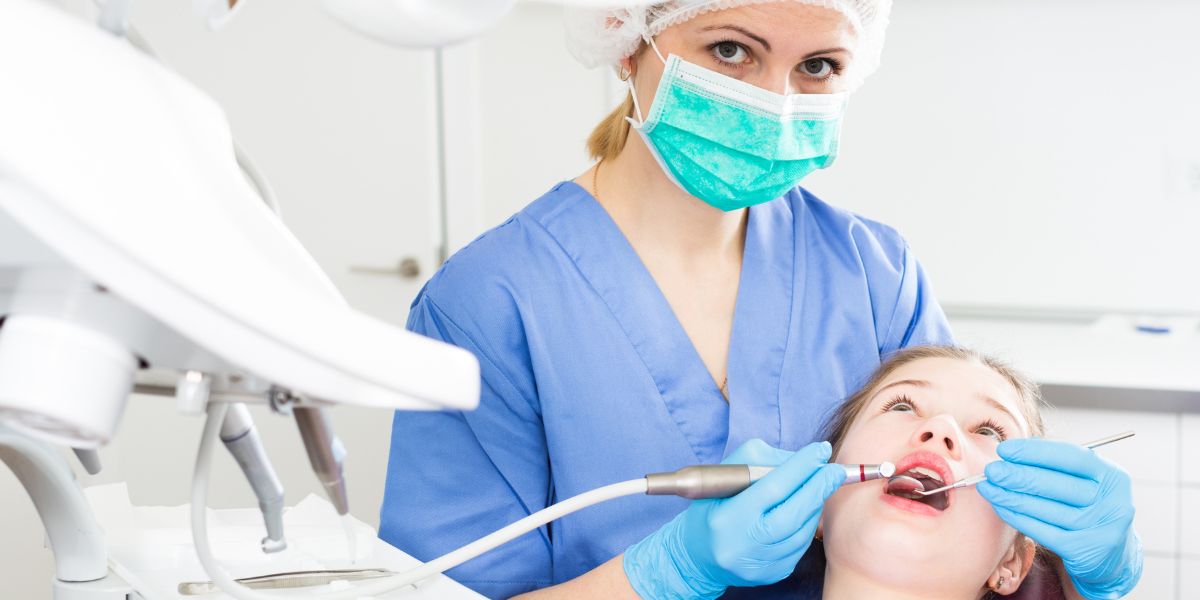
If the sound of a dental office makes your stomach drop, you aren’t alone. Most dental anxiety comes from memories of outdated practices. Modern dentistry, however, is focused on patient comfort. We’ve moved into an era of boutique care where noise canceling headphones, weighted blankets and even mild sedation are standard options.
The irony of dental fear is that the more you avoid the office, the more likely you are to eventually need the exact procedures you’re afraid of. By maintaining regular dental visits, you ensure that any work needed is minor, fast and painless. It breaks the cycle of emergency only visits that fuel the phobia in the first place.
The 22 Hour Rule: Your Daily Defense
Your dentist only sees you for about two hours a year. The other 8,758 hours are up to you. A solid dental care routine is about consistency over intensity. The 2×2 rule brushing for two minutes, twice a day is the gold standard, but the way you brush matters more than how hard you scrub. Overbrushing can actually wear down your enamel and push back your gum line.
Think is about mouth’s pH balance. Every time you sip soda or snack on something sugary, your mouth becomes acidic about twenty minutes, which softens enamel. Rinsing with plain water after eating or switching to xylitol based gum can neutralize that acid and stop cavities before they start. It’s the small, daily habits that save your smile in the long run.
Eating for Your Teeth
We usually talk about food in terms of calories and muscle building, but teeth are living organs that need specific fuel. Calcium and phosphorus keep enamel hard, but need Vitamin D to actually absorb them.
Fibrous, crunchy vegetables like carrots or apples act nature’s toothbrushes. They stimulate saliva, which is body’s natural defense against acid. By eating diet rich in vitamins and low processed starches, you aren’t just losing weight or gaining energy you’re physically reinforcing your teeth from the inside out.
Health vs. Aesthetics: Knowing the Difference
In the age of social media, everyone wants white teeth. However, it is important to remember that white does not always mean healthy. Many over the counter whitening kits are highly acidic and can leave your teeth porous and sensitive if used incorrectly.
When you get professional cleaning, the removal of surface stains from coffee or tea gives brighter look safely. Your dentist can also guide you on whitening products that won’t compromise your oral health. A great smile is a wonderful asset, but goal should always be a mouth that functions perfectly and is free of infection.
The Long Game: Investing in Your Future Self
Taking care of teeth is act of self care that pays off decades down line. It is about being able to enjoy your favorite foods when you’re 80, speaking clearly without the slip of a denture and avoiding the systemic inflammation that ages the body prematurely.
A healthy mouth is a foundational pillar of a healthy life. It’s your first line of defense and a reflection of how you value your overall well being. If it’s been a while since you’ve seen a professional, do not feel guilty just get it on the calendar. Your future self will thank you for the investment.
Disclaimer
This article provides general information and is not substitute for professional medical advice, diagnosis or treatment. Always consult dentist or qualified healthcare provider regarding your oral health or any medical conditions. Use information at your own risk.