Life in Yakutsk: The world’s coldest city revealed
“This article explores what makes Yakutsk unique – its extreme climate, resilient infrastructure and the daily routines that allow people to live in one of the harshest environments on the planet. It highlights how culture, engineering and adaptation come together in this extraordinary city.”
Introduction
Travel, forbidden places on Earth often sparks curiosity about destinations that push human limits and Yakutsk is a prime example. The world’s coldest city is Yakutsk in northeastern Siberia. Despite terrible weather, it’s a cultural and administrative center for the region. The city’s environment impacts buildings, transit, and social behavior. It shows how to live and adapt in severe cold.
Geography and climate
Yakutsk lies on permafrost that is continuous near the Lena River, a factor of geography that defines how the city is built coupled with maintained. Temperatures in winter fall regularly below −30°C, while summers can be warm unexpectedly, creating one of the ranges of temperature that is widest experienced by any city that is major. This contrast is a characteristic that is defining of the coldest city in the world coupled with affects planning that is daily, construction, coupled with services that are public.
The broader “Pole of Cold”
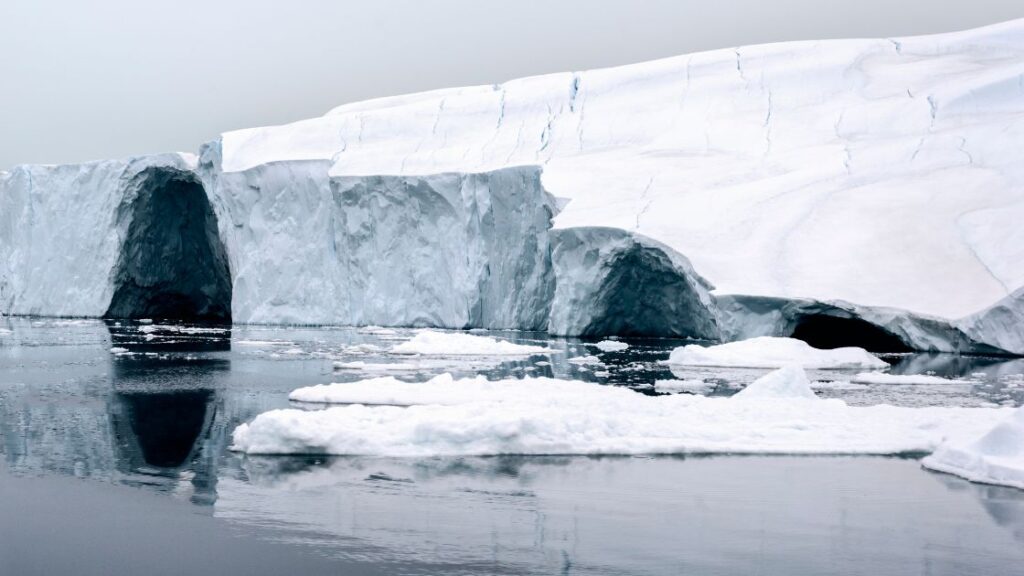
The region near Yakutsk comprises villages like Oymyakon and Verkhoyansk which are frequently referred to as the coldest places on Earth. Even though these towns can record lower absolute temperatures, Yakutsk is distinguished as the biggest urban center in such condition. Due to its size, the city is incomparable among other extreme weather cities and therefore holds the record of being the coldest inhabited city in the world.
How people adapt
Yakutsk people rarely have a choice but to adapt to everything and anything. Houses in Yakutsk are built high on wooden stilts so that the frozen subsoil doesn’t thaw. Heating installation is only one of the many utilities that are put in a way that make a continuous run for months possible. The local people plan their life by the temperature calculating when and how they can get out of their houses at such a cold temperature before they freeze and yet how they can remain productive and also have a social life.
- Buildings are elevated to protect frozen ground.
• Vehicles are preheated before use in winter.
• Outdoor tasks are planned around daylight and temperature changes.
Everyday life and community
Accounts of life in Yakutsk emphasize resilience and normalcy rather than hardship alone. Schools, theaters, universities and markets operate year-round, even during the harshest months. Winter is treated as a season with its own rhythm, traditions and social expectations. This approach helps residents maintain a strong sense of community despite environmental challenges.
Work and transport
Transportation is essential to city life. Yakutsk is connected to Russia via air, seasonal river crossings, and winter highways. Infrastructure initiatives seek to increase year-round connection since dependable transit is vital to economic stability and social well-being in such a distant area.
Culture, food and well-being

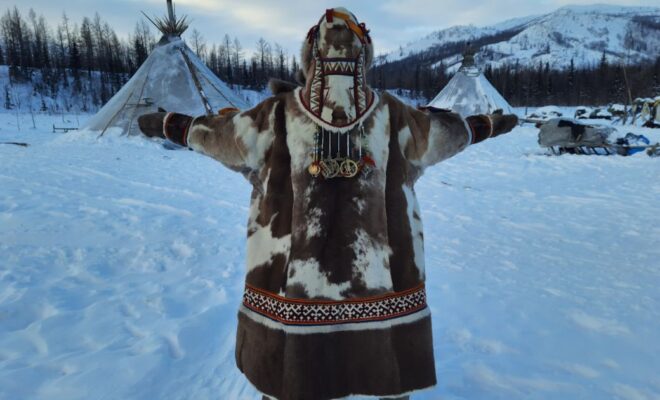
Culture that is local blends traditions of the indigenous Sakha with life that is urban and modern. Diets are adapted to conditions that are cold, focusing on foods that are hearty coupled with rich in energy. Festivals that are cultural, storytelling, coupled with meals that are shared help reinforce bonds that are social. Healthcare coupled with services, is also adapted, prioritizing insulation, accessibility, coupled with safety for cold weather. These elements together define the lifestyle of winter in Siberia that is distinctly experienced by residents.
- Traditional foods support energy needs in extreme cold.
• Community events strengthen social resilience.
• Public health planning accounts for prolonged winter exposure.
Visiting Yakutsk: what to expect
For visitors, Yakutsk offers an opportunity that is rare for the experience of life at extremes that are climatic. Preparation is essential, including clothing that is appropriate coupled with an understanding of limitations for travel that are seasonal. Museums coupled with institutions that are cultural provide insight that is valuable into how people have adapted historically to the environment, turning a visit into an experience that is educational rather than a trip that is novelty.
Final Thoughts
Yakutsk demonstrates that even the most extreme environments can support vibrant communities when innovation and tradition work together. Often labeled as the world’s coldest city, it challenges assumptions about habitability and comfort. Understanding daily life in Yakutsk reveals not just survival, but a carefully balanced way of living shaped by climate, culture, and human determination.