How to Identify and Treat an Anal Skin Tag
“This article provides empathetic guidance on identifying anal skin tags, differentiating them from other conditions, and exploring safe, professional treatment options for comfort and health.”
Understanding Anal Skin Tags: A Guide to Recognition and Care
Finding any new growth in the anal area can be very worrying and uncomfortable. When there is a large anal skin tag, people frequently worry more, both physically and mentally. We want you to know that you are not the only one going through this. We want to give you clear kind information that will help you understand what anal skin tags are and how to deal with them so you can feel peaceful and in charge.
What Exactly is an Anal Skin Tag?
An anal skin tag is a small benign soft piece of skin that hangs from the body and these growths are composed of collagen and blood vessels surrounded by skin. They are non cancerous and are not contagious. Anal skin tags arise after a hemorrhoid heals or from inflammation and friction. Remember that many people get these skin growths.
Recognizing an Anal Skin Tag: Common Signs
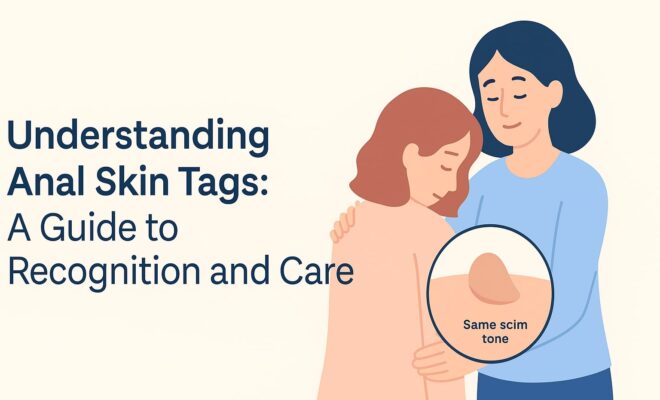
Identification of an anal skin tag is typically based on its physical characteristics. The appearance is usually that of a small, soft flap of skin. Its color is generally the same as the surrounding skin. While often painless, a large anal skin tag can sometimes cause discomfort due to irritation from clothing or wiping. There might be a feeling of extra skin or a bump in the anal region. Hygiene can sometimes be more challenging as the skin tag may interfere with thorough cleaning.
Distinguishing an Anal Skin Tag from Other Conditions
Confusion between an anal skin tag and other anal fissure conditions is very common. Hemorrhoids enlarged blood vessels that can be internal or external, are unpleasant especially during bowel movements. HPV causes warts that look cauliflower like and are contagious. These commonalities necessitate a medical diagnosis. While accurate diagnosis is the first step to proper treatment hence self diagnosis is not advised.
When is a Consultation with a Doctor Recommended?
It is usually an excellent decision to talk to a doctor about any new growth. This step is very important for getting the right diagnosis and ruling out other options. If there is any bleeding, quick growth a change in color or a lot of pain you should see a doctor right away. If you are not sure what kind of growth it is that is also a good reason to see a doctor and your peace of mind is the most important thing.
Exploring Management and Treatment Pathways
For many, an anal skin tag requires no treatment if it is not causing any symptoms. When an anal skin tag does lead to irritation, hygiene issues, or discomfort, several options are available. All management decisions should be made in partnership with a healthcare professional.
Conservative Management and Self-Care
For a small asymptomatic anal skin tag a watchful waiting approach is often adopted. While gentle cleansing of the area with warm water and patting dry is recommended. Harsh soaps and vigorous wiping are to be avoided. The use of moist wipes without alcohol or fragrance can be soothing and loose fitting cotton underwear is suggested to minimize friction and irritation.
Professional Medical Removal Procedures
When the removal of a problematic anal skin tag is desired, a doctor can perform a minor procedure. These are typically quick and are done under local anesthesia.
Common methods include:
- Excision: The skin tag is simply snipped off with surgical scissors or a scalpel.
- Ligation: While the blood supply to the anal skin tag is cut off by tying a suture around its base causing it to eventually fall off.
- Cryotherapy: The growth is frozen off using liquid nitrogen.
The choice of procedure is made by your doctor based on the size and location of the skin tag. Over-the-counter removal products are not considered safe or effective for this sensitive area and should never be used.
Living Comfortably with an Anal Skin Tag
For people who don’t want to get rid of their things everyday behaviors that are attentive can help them stay comfortable. Eating a diet rich in fiber and drinking plenty of water can help prevent constipation which can cause straining and exacerbate the condition. Daily care for an anal skin tag that doesn’t hurt should include careful gentle cleaning.
Gentle regular self care can frequently help you live comfortably with an anal skin tag. Retaining freshness requires carefully cleaning with warm water and drying. Avoid harsh soaps and vigorous massages. Instead choose loose breezy cotton underwear that won’t press against your skin. A high fiber diet and drinking enough water can help some people because they stop straining which can cause pain and when these steps are taken many people find that an anal skin tag that does not cause any symptoms does not bother them much in their daily lives.
Conclusion
An anal skin tag MD might be annoying but it is not dangerous and can be easily treated. A treatment plan tailored to your comfort level and lifestyle can be created with the assistance of a correct diagnosis and expert medical advice. Your health is always the most important thing and you shouldn’t be embarrassed to get help for this frequent problem.