Dental Industry Predictions: Top Emerging Trends in Dentistry
“This article examines the transformative shifts within the dental landscape, focusing on technological advancements and evolving patient expectations. It highlights how digital integration, artificial intelligence and personalized treatment models are redefining the future of oral healthcare.”
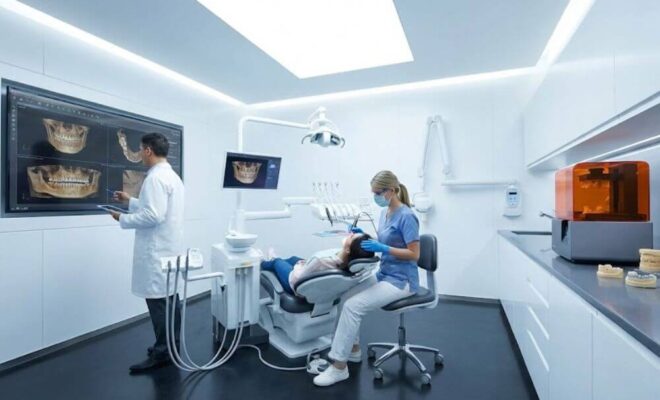
The worldwide scene of dental treatment is changing drastically due to quick incorporation of technology and changed patient expectations. The local dental office service which used to be the model of the neighborhood is turning out to be a high tech center of precision medicine as the decade is going on. Studies show that the dental market, which is worth around $37.86 billion in 2024 is expected to be more than $87 billion by 2032. Such an increase is a result of a higher need for special surgical operations and the general adoption of more efficient, data- driven practice management systems by the clinics.
The Rise of Artificial Intelligence and Automation
One of the most significant predictions for the coming years is the ubiquity of artificial intelligence (AI) in diagnostic workflows. AI algorithms are at present dissecting X-rays, CBCT scans and intraoral photos with a level of exactness that is oftentimes beyond human capability. With this technology, the first signs of caries, periodontal disease or even oral cancer can be detected. Thus guaranteeing that family dental care is always a step ahead, rather than coming in after the fact. By catching issues in their infancy, practitioners can offer less invasive treatments that preserve natural tooth structure.
Beyond diagnostics, automation is revolutionizing the administrative side of the industry. Practice management software is increasingly handling routine tasks such as appointment scheduling, insurance verification and billing. By this change the number of mistakes that are manually made is decreased and the clinical staff can concentrate more on the patient. Specialists are of the opinion that if the expenses that are not directly related to the provision of medical services keep on increasing, then the use of machines will be forced upon the medical practices in order to be able to keep profit and at the same time to offer services at a reasonable price to the people.
Digital Innovations in Restorative Dentistry
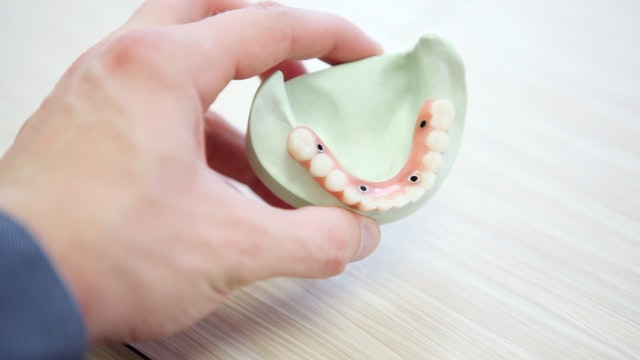
The adoption of 3D printing and computer-aided design (CAD) is perhaps the most visible change for patients today. Gone are the days of messy physical impressions and weeks-long wait times for crowns or bridges. Dental clinics that are advanced are now using their own 3D printers to fabricate top notch prosthetics in one single visit, which not only makes dental care more comfortable for patients but also greatly increases the clinic’s capacity to serve. Such breakthroughs make it possible to achieve a level of personalization that was not feasible before in conventional lab environments.
- In-house Fabrication: 3D printing allows for same-day delivery of crowns, bridges and dentures.
- Enhanced Precision: Digital scans provide 3D mapping of the oral cavity, reducing the requirement of an adjustment.
- Cost Reduction: Minimizing reliance on external labs helps lower the final price for the patient.
- Material Evolution: New resins and ceramics are more durable and mimic the natural translucency of teeth.
The Aesthetic Revolution and Emotional Dentistry
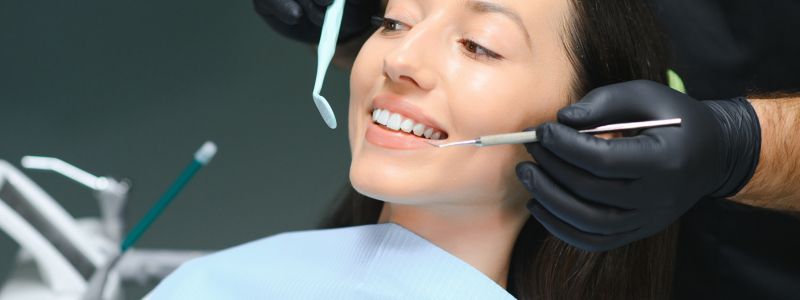
There is a growing emphasis on “emotional dentistry,” a trend where technology is used to manage patient anxiety and improve confidence. Digital Smile Design (DSD) is a method that enables patients to view a virtual version of their end results even before the actual work is done. In a very significant way, this applies to cosmetic dental care, where a visual confirmation is the main tool to bring the patient’s expectations in line with what the clinician can actually achieve. By allowing the patient to be involved in the design process, allows them to foster a deeper sense of trust and excitement regarding the treatment outcome.
Furthermore, the rise of minimally invasive techniques, such as laser dentistry, is changing the perception of dental visits. In some instances, lasers are capable of doing what drills have been traditionally used for and thus, they can provide an almost pain free experience where there is little bleeding and the recovery is quicker. Such patients, who have not been going to the dentist because of their fear or anxiety and now can hardly resist the attraction of this method, constitute a great majority of the clientele. As these technologies become more affordable, they will likely become the standard across most general practices.
Shifting Business Models and Accessibility
The structure of dental practices is moving away from solo practitioners toward Dental Support Organizations (DSOs) and group practices. This consolidation is driven by the high costs of advanced technology and the increasing burden of student debt among new graduates. Group models create the foundation that is required to deliver complete oral care services in a single facility, which can also include specialists that a solo office might not be able to support. The “one-stop shop” method is in line with the present day consumer’s requirement for convenience to the letter.
- Teledentistry: Virtual consultations have become a mainstay, especially for initial screenings and follow-ups.
- Subscription Plans: Many offices now offer in-house membership plans to help uninsured patients afford regular visits.
- Extended Hours: To accommodate hybrid work schedules, practices are offering more early morning and weekend appointments.
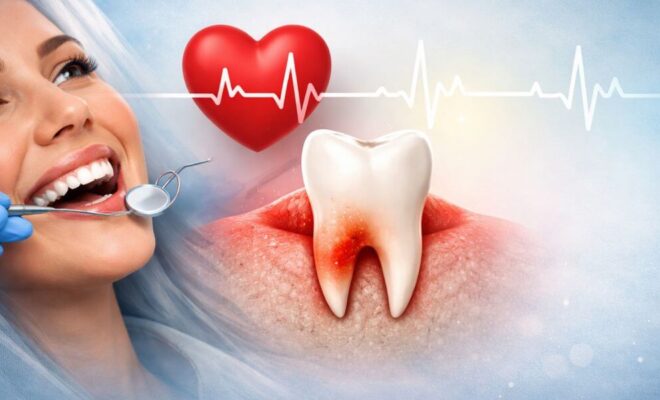
- Holistic Focus: There is a growing trend toward “whole-body” health, linking oral hygiene to systemic conditions like heart disease.
The Pursuit of Personalized Patient Experiences
Today’s patients are more informed and selective than ever before, often conducting their own research via social media and AI search engines. As a result, the industry is going to be more focused on a very individualized method rather than the “cookie cutter” one, treatment plans approach. Using highly detailed data along with genetic information, will doctors be able to customize prevention plans according to each person’s unique risk factors. This level of customization is the hallmark of a perfect smile, while ensuring long-term oral health and aesthetic satisfaction.
Final Thoughts
The dental industry will be a fortunate one in the coming years. The use of technology will not eliminate the need for human skills but rather, the two will coexist in harmony. As AI, 3D printing and tele dentistry become deeply integrated into daily operations, the focus remains firmly on improving the patient experience. Overall, these trends paint the picture of a future in which care services would be easier to get, the treatments would be less invasive, and the results would be more certain. Innovations have an extreme impact on the next healthcare scenario to the point that both medical professionals and patients must be aware of them if they want to be able to manage oral healthcare successfully.