5 Forbidden Places On Earth And What Happens If A Tourist Tries To Visit Them
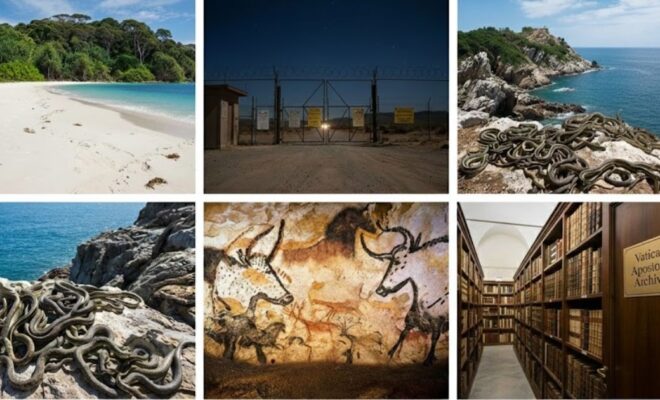
“This article explores some of the most fascinating yet forbidden places on Earth that are off-limits to the general public. It explains why these locations are restricted and what consequences visitors may face if they attempt to enter.”
Introduction
Travelers often want to see the whole planet, but certain locations are inaccessible due to their high level of risk, fragility that is ecological fragility, or protection for national security. The allure of sites that are remote, hidden, and strongly guarded always piques the curiosity of one, yet trying to access them may be dangerous, coupled with even fatal in the event that one is discovered.
Why Some Places Are Forbidden
Authorities limit access to locations worldwide for public safety, cultural preservation, environmental protection, and security. Some of these sites are perilous owing to natural dangers or antagonistic residents, while others include delicate historical or biological values. Understanding the most prohibited areas reveals why limits exist and the costs of crossing them.
1. North Sentinel Island, India
Why It’s Forbidden?
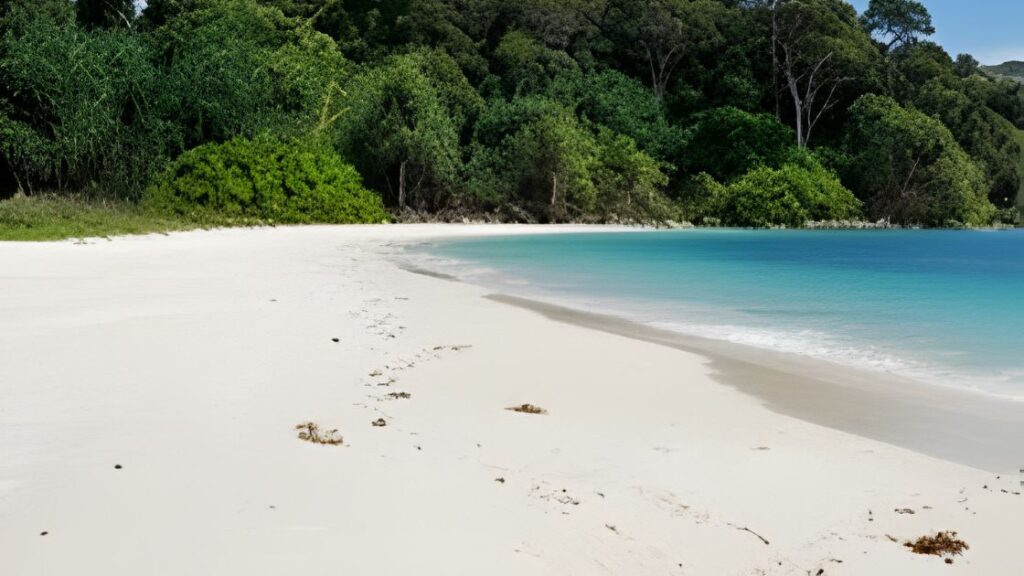
North Sentinel Island in the Bay of Bengal is inhabited by the Sentinelese tribe, who are isolated, coupled with being among the last groups that are indigenous and uncontacted in the world. The Indian government has made it a reserve for tribes that is protected, and as a measure for the prevention of transmission of diseases, coupled with the safeguarding of the life of the tribe, they have strictly prohibited any contact with them.
What Happens if Tourists Try to visit?
The Sentinelese have historically used violence to revolt landing attempts and viciously defend their island with spears and arrows. Those who try to reach the island run the risk of dying or suffering serious injuries. To protect the tribe and outsiders, Indian law enforces a 5-nautical-mile no go zone around North Sentinel Island.
2. Area 51, United States
Why It’s Restricted?
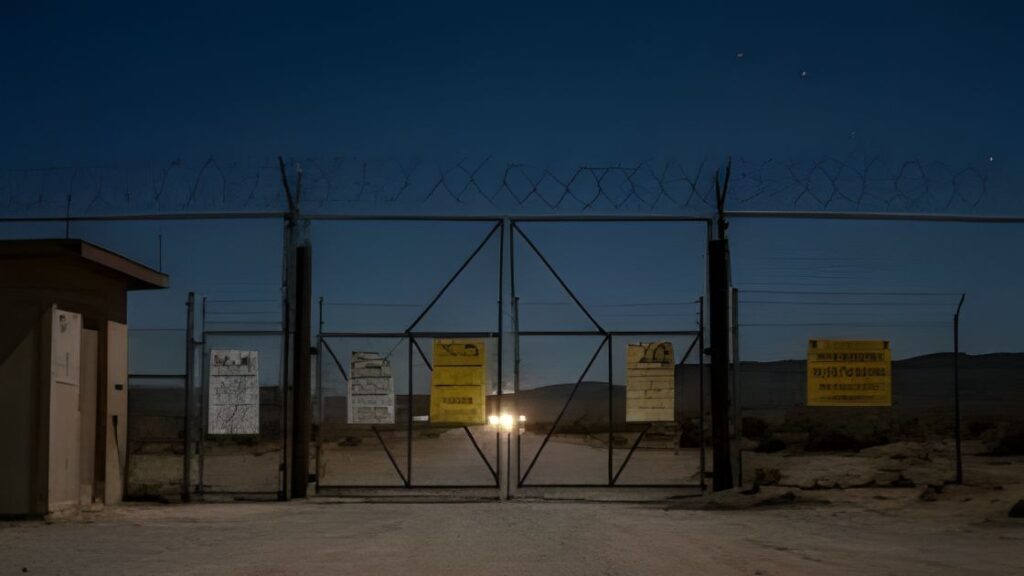
Area 51 is an installation of the U.S. military in Nevada that is classified, known for its involvement in testing for aviation, coupled with its association with lore for objects that are flying and unidentified (UFO). Due to its strategic importance that is strategic, access is controlled highly controlled, coupled with airspace over the site remaining restricted.
Consequences of Unauthorized Entry
Any attempt to unlawfully enter the Area 51 premises or to go around them without permission may lead to arrest, fines, and seizure of property by federal authorities. Trespassing on federal defense land is a serious offense and carries heavy punishment.
3. Snake Island, Brazil
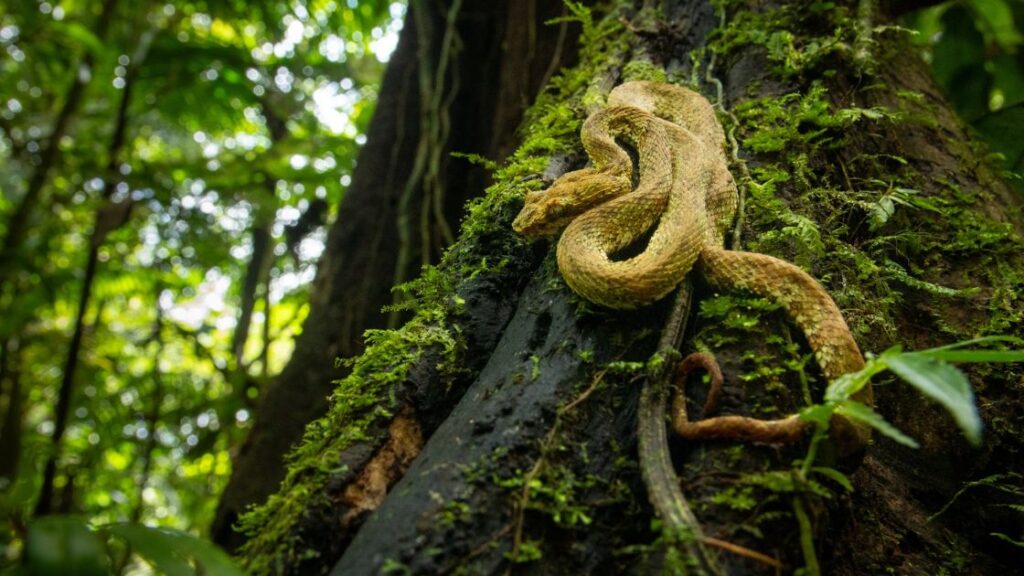
Why It’s Off-Limits
Snake Island is notorious for its high density of golden lancehead vipers, among the most dangerous snakes on earth. To keep both the highly venomous snakes and potential visitors safe, the Brazilian authorities have shut down the island to the public.
What Happens if You Try to Visit
Unauthorized visitation exposes individuals to a high risk of fatal snake bites, as the island’s reptiles dominate every part of the terrain. Only specially permitted scientists with medical supervision are allowed for research purposes.
4. Lascaux Cave, France
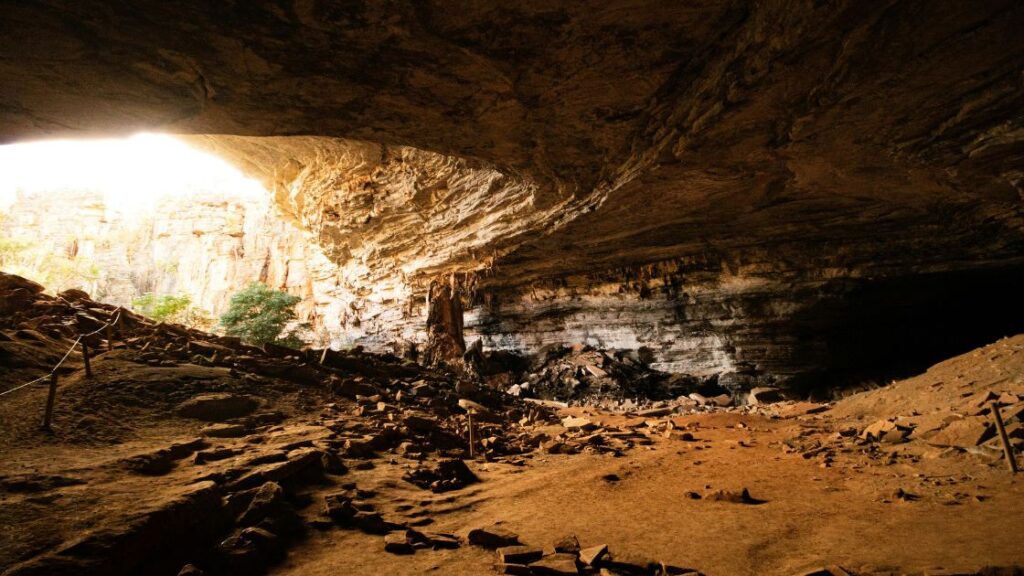
Why It’s Protected
The Lascaux cave in the southwest of France is home to some paintings that are ancient, which are believed to be more than 17,000 years old, coupled with hence among the first examples of artistic expression by humans. Since the original was damaged by moisture coupled with microbes carried by visitors in the past, it was closed to the public in 1963 for the preservation of the environment that is fragile.
What Happens if Tourists Attempt to Enter
At present, the original cave can only be accessed by qualified researchers and conservators. In an effort to prevent further damage, unauthorized entry is not allowed to these invaluable heritage pieces. Tourists can visit the replicas of the cave (Lascaux IV), but the original is still a no-go zone.
5. Vatican Apostolic Archive, Vatican City
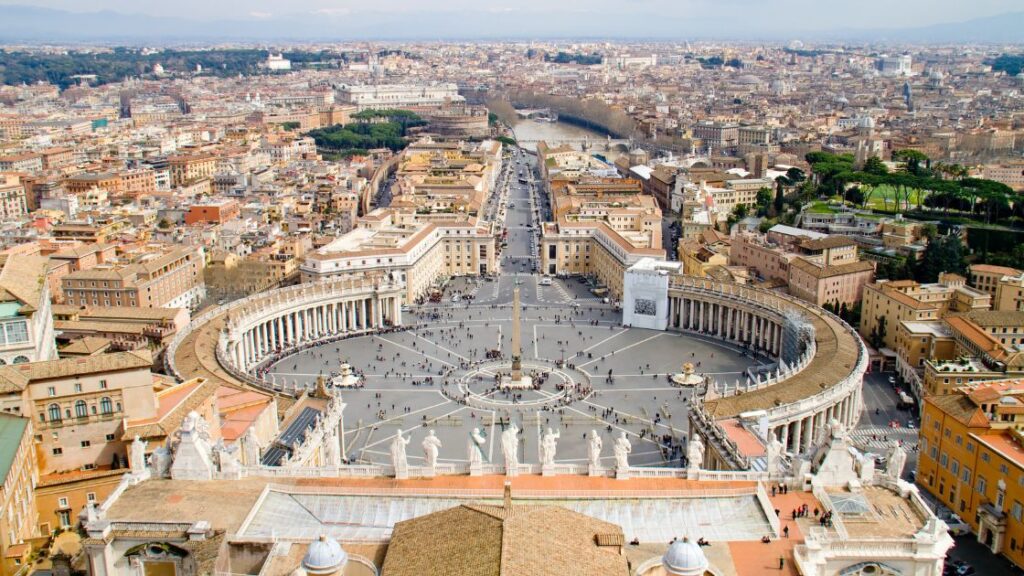
Why It’s Restricted
The Vatican Apostolic Archive, which used to be known as the Vatican Secret Archives, contains a treasure trove of ancient documents, letters of the popes, and important manuscripts. Since the historical materials are fragile and one, of, a, kind, the archive is not accessible to ordinary visitors.
Consequences of Unauthorized Access
A limited number of authorized academics only are allowed to enter after going through a thorough verification process. Vatican City law states that tourists attempting to enter without permission will be forcibly expelled and may be liable to legal proceedings.
Comparing the Forbidden Places
Although each of these sites is restricted for different reasons, there are common themes that highlight why controlled access is necessary:
- Cultural preservation: Protecting ancient art and heritage (e.g., Lascaux Cave)
- Safety hazards: Avoiding exposure to lethal natural threats (e.g., Snake Island)
- Isolation protection: Safeguarding vulnerable human communities (e.g., North Sentinel Island)
- National security: Limiting access to sensitive military facilities (e.g., Area 51)
- Historical archive security: Preventing damage to priceless documents (e.g., Vatican Archives)
These examples show how various parts of the globe have been called “forbidden places.” There is a very good reason why entry to each of these sites is limited. They all have interesting stories behind them.
Final Thoughts
Visiting places that are forbidden or off limits usually arouses desire in people however, due to the consequences that exist in reality, such ventures are dangerous or even out of the question from a legal perspective. Hence, these areas are kept under protection in order to save the environment, cultural heritage, human lives, and national interests. Understanding why access is limited helps travelers appreciate these monuments from afar. Responsible tourists may explore these fascinating areas via movies, approved research, and virtual excursions. Thus, curiosity is satisfied without damaging people or sites.